Crawler bulldozers are an essential type of heavy machinery widely used in industries such as construction, mining, and infrastructure development. These powerful machines are designed to move large quantities of material with ease, particularly in rugged and uneven terrains. Unlike their wheeled counterparts, crawler bulldozers rely on a system of continuous tracks to provide better traction and stability, allowing them to perform effectively in challenging conditions. This article will explore the different types of crawler bulldozers, their key features, applications, and the factors to consider when choosing the right machine for your project.
Types of Crawler Bulldozers
1. Standard Crawler Bulldozers
Standard crawler bulldozers are the most common and versatile types of bulldozers. These machines are typically medium-sized and designed for general earthmoving tasks.
Key Features:
Track System: Offers superior traction and stability compared to wheeled bulldozers, especially in muddy or soft conditions.
Blade Design: Most standard bulldozers come with a straight blade, ideal for pushing materials in a straight line.
Fuel Efficiency: Moderate fuel consumption, making them cost-effective for medium-duty tasks.
Typical Applications:
Standard crawler bulldozers are used in:
Construction Sites: Site preparation, grading, and trenching.
Road Building: Clearing paths and shaping land for road construction.
Landscaping: Land clearing and grading for residential or commercial properties.
2. Medium Crawler Bulldozers
Medium crawler bulldozers provide a balance of power and maneuverability. These machines are often more powerful than standard models but still compact enough to be used in smaller areas.
Key Features:
Increased Horsepower: Engine power typically ranges between 150 and 300 horsepower.
Versatility: Suitable for a variety of applications, from construction to light mining tasks.
Hydraulic Systems: Enhanced hydraulic capabilities for lifting and pushing heavy materials.
Typical Applications:
Earthmoving: Moving large volumes of dirt and debris.
Site Preparation: Leveling and preparing land for construction.
Mining: Light mining operations, including overburden removal and site leveling.
3. Large Crawler Bulldozers
Large crawler bulldozers are designed for heavy-duty applications. These machines are equipped with powerful engines and reinforced structures to handle the most demanding tasks.
Key Features:
Heavy-duty Design: Larger tracks, increased weight, and a robust chassis for tackling tough environments.
High Engine Power: Typically powered by engines with more than 400 horsepower, allowing for high material-moving capacity.
Extended Blade Capacity: Wide, heavy-duty blades capable of pushing massive amounts of earth or rocks.
Typical Applications:
Mining Operations: Suitable for bulk material handling and overburden removal.
Large-scale Construction Projects: Ideal for road construction, dam building, and other large infrastructure tasks.
Quarrying: Used in quarries to move large volumes of stone and debris.
4. Mini Crawler Bulldozers
Mini crawler bulldozers are compact machines designed for smaller, more confined areas. Despite their size, these machines are still equipped with powerful engines to perform light-to-medium-duty tasks.
Key Features:
Compact Size: Designed to fit into tight spaces where larger machines cannot operate.
Reduced Weight: Lighter than their larger counterparts, making them more maneuverable.
High Maneuverability: Excellent for tasks that require tight turns or working in constrained environments.
Typical Applications:
Landscaping: Clearing small areas and leveling soil for landscaping projects.
Residential Construction: Small construction sites where maneuverability and space are limited.
Agricultural Work: Working in small fields or gardens, where space is confined but earthmoving is still needed.
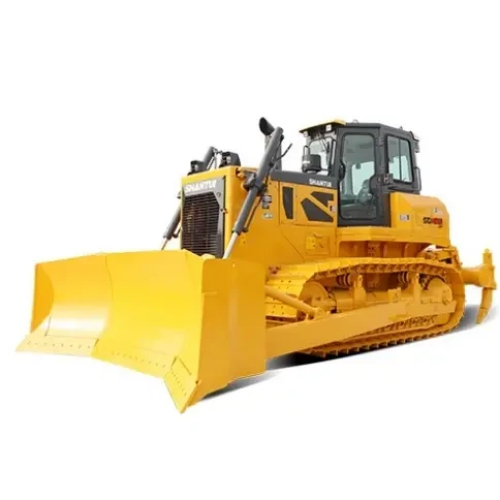
Key Features and Technologies in Crawler Bulldozers
Track Systems
One of the defining features of crawler bulldozers is their track systems, which provide better traction and stability compared to wheeled bulldozers. The tracks distribute the bulldozer’s weight more evenly, allowing it to operate on soft, wet, or uneven ground without sinking or getting stuck.
Track Types:
Rubber Tracks: Ideal for working in sensitive environments such as residential areas or places with delicate surfaces.
Steel Tracks: More suitable for heavy-duty applications, providing greater durability and resistance in harsh conditions like quarries and mines.
Hydraulic Systems
The hydraulic system in a crawler bulldozer controls various functions, including lifting, pushing, and tilting the blade. Hydraulic systems allow bulldozers to perform precise movements and maintain constant force, improving productivity and reducing operator fatigue.
Components:
Hydraulic Cylinders: Used to raise and lower the blade, as well as control the tilt angle.
Hydraulic Pumps: Provide the necessary power for operating the hydraulics effectively.
Blade Types
Crawler bulldozers can be equipped with different types of blades depending on the specific tasks at hand. Common blade types include:
Blade Type | Description | Best for |
Straight Blade | A simple, flat blade used for pushing materials in a straight line. | General earthmoving, grading. |
Semi-U Blade | A slightly curved blade, offering more pushing power. | Heavy lifting and pushing. |
Full-U Blade | A fully curved blade for maximum volume. | Large-scale earthmoving and grading. |
Engine Power and Fuel Efficiency
The engine power in crawler bulldozers can range from 100 horsepower in mini models to over 1000 horsepower in large models. Fuel efficiency is a critical factor in determining the operational cost of the bulldozer, and modern models are designed to optimize fuel consumption while maintaining high performance.
Choosing the Right Crawler Bulldozer for Your Needs
Factors to Consider
When selecting a crawler bulldozer, it's important to consider various factors such as:
Project Scope: Large-scale projects require more powerful bulldozers, while smaller tasks may benefit from mini or medium-sized machines.
Terrain: Steep, rocky, or uneven terrain requires larger and more powerful bulldozers with better traction.
Material Type: Different projects may involve moving various materials like soil, gravel, or rock, influencing the type of bulldozer required.
Fuel Efficiency: For long-term projects, fuel efficiency becomes an important factor to reduce operational costs.
Size and Capacity Matching
Choosing the right size of bulldozer is crucial for matching the machine’s capacity with the project requirements. It’s important to ensure that the bulldozer has enough power to handle the required amount of material without being oversized and inefficient.
Benefits of Using Crawler Bulldozers
Increased Stability and Traction
Crawler bulldozers provide superior traction compared to wheeled models, making them more suitable for soft or uneven ground. The wide tracks help distribute the weight evenly, allowing for better control and performance on rugged terrains.
Improved Efficiency for Heavy-duty Tasks
With their powerful engines and hydraulic systems, crawler bulldozers can move large amounts of earth and materials with efficiency, cutting down on labor costs and improving productivity on heavy-duty tasks.
Long-term Durability
Due to their heavy-duty design, crawler bulldozers are built to last. They are capable of handling the most demanding tasks for extended periods, making them an excellent investment for long-term construction and mining projects.
Common Applications of Crawler Bulldozers
Construction Sites
Crawler bulldozers are widely used in construction for tasks such as site preparation, clearing, grading, and leveling.
Road Construction
In road construction, bulldozers are used for earthmoving, leveling surfaces, and creating road foundations.
Mining Operations
In mining, crawler bulldozers are employed to remove overburden, transport materials, and prepare the site for excavation.
Agriculture and Landscaping
In agriculture and landscaping, mini crawler bulldozers can be used for land leveling, clearing debris, and other light earthmoving tasks.
Conclusion
In conclusion, crawler bulldozers are essential, powerful, and versatile machines that are integral to a wide range of industries, including construction, mining, and agriculture. Understanding the various types, features, and benefits of these bulldozers enables businesses and project managers to make informed decisions about the most suitable equipment for their specific requirements. Whether you’re working on large-scale infrastructure projects or tackling more compact jobs, choosing the right crawler bulldozer can significantly enhance productivity and efficiency.
At Jining Qianyu Commercial & Trade Co., Ltd, we offer a comprehensive selection of crawler bulldozers, each designed to meet the unique demands of your projects. Our team is dedicated to providing high-quality equipment and expert guidance to help you find the best solution for your needs. If you're ready to learn more about how our crawler bulldozers can elevate your operations, feel free to reach out to us. We are here to support you every step of the way and ensure your project’s success.
FAQ
What is the difference between a crawler bulldozer and a wheeled bulldozer?
Crawler bulldozers have tracks for better traction and stability in soft or uneven terrain, while wheeled bulldozers are more maneuverable but lack the same traction.
What size crawler bulldozer do I need for my project?
The size of the crawler bulldozer depends on the project scale. For lighter tasks, mini or medium-sized bulldozers are sufficient, while large-scale projects require heavy-duty machines.
How do I maintain my crawler bulldozer?
Regular maintenance includes checking the hydraulic systems, changing the engine oil, inspecting the tracks, and maintaining the blade for optimal performance.
Can crawler bulldozers be used for both light and heavy-duty tasks?
Yes, crawler bulldozers come in various sizes to suit different tasks, from small landscaping jobs to large-scale mining and construction projects.
Why should I choose a crawler bulldozer for rough terrain?
The tracks of a crawler bulldozer provide better weight distribution and traction, making it more suitable for challenging, uneven, or soft ground compared to wheeled models.


